Wild Tiger Face: A Designer’s Real-World Embroidery Review
First Impressions: Fierce, Focused, and Full of Personality
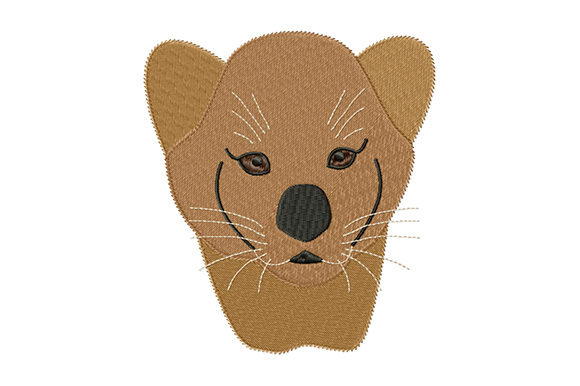
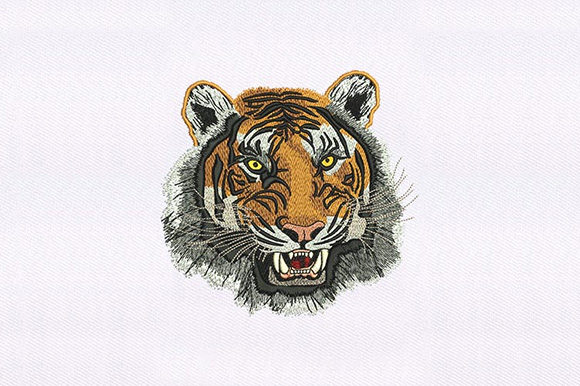
When Wild Tiger Face landed in my inbox, I paused—not because it’s flashy, but because it *holds* attention. This isn’t a cartoon tiger or a simplified mascot. It’s a tightly composed, expressive face with layered shading, intentional negative space, and a grounded sense of weight. The eyes command the composition; the whisker lines aren’t just decoration—they’re structural anchors. As a designer who regularly selects embroidery files for client work and small-batch production, I immediately asked: *What does this want to live on? And what will it say about the person wearing or gifting it?*
A Real Project Test: Custom Embroidered Tote Bags for a Local Boutique
Last week, I used Wild Tiger Face on a set of heavyweight cotton canvas tote bags—part of a limited run for a neighborhood gift shop. We placed it centered on the back panel, sized to 4.2" wide. The result? Instant visual impact without overwhelming the fabric. Customers didn’t just glance—they stopped, smiled, and asked, “Is that hand-drawn?” That’s the quiet success of a well-executed machine embroidery design: it reads as intentional, not automated. Wild Tiger Face carries that handmade credibility, especially when stitched cleanly.
Where It Shines (and Where It Needs Thought)
Wild Tiger Face excels on stable, medium-weight fabrics where stitch definition matters:
- Custom apparel: Works beautifully on sweatshirt backs, denim jackets, and structured t-shirts—especially when paired with subtle tonal thread choices (charcoal grey on heather grey, burnt orange on oatmeal).
- Tote bag design & aprons: Its bold silhouette reads clearly at arm’s length and holds up through repeated washing and daily wear.
- Embroidered patch: Clean outer edges and balanced fill stitch density make it ideal for iron-on or sew-on patches—no fraying corners or muddy transitions.
- Holiday embroidery & personalized gifts: On a navy baby blanket or a linen tea towel, it adds warmth and character without feeling juvenile or overly aggressive.
But—and this is where real-world testing matters—Wild Tiger Face asks for thoughtful placement and prep:
- Avoid tight hoop sizes: Don’t force it into a 3x3" hoop unless you’re willing to scale down significantly. Detail loss in the eye texture and whisker definition becomes noticeable below ~3.5".
- Texture matters: On highly napped fleece or thick terry cloth, the satin stitch areas can sink or blur. Use cutaway stabilizer + medium tear-away top layer for clarity.
- Stretchy fabric? Proceed with caution. The facial contours rely on clean line work—knits need extra stabilization and possibly reduced stitch density in dense fill zones.
- Dark fabric backgrounds: It reads strongly, but test thread contrast first. Some black-on-black combos mute the depth of the muzzle shading. A deep burgundy or charcoal thread often lifts the dimension better than pure black.
- Curved surfaces (caps, hats): Not impossible—but avoid placing it over the crown seam or extreme curve. Stick to the front panel or side gusset where the fabric lies flatter.
Design Integrity Meets Customer Trust
As an Etsy seller and craft business owner, I know customers don’t just buy a tiger—they buy confidence in craftsmanship. Wild Tiger Face supports that trust. Its balance of detail and restraint means fewer re-stitches, cleaner trims, and fewer customer questions like “Why does the eye look fuzzy?” That translates directly to fewer returns, smoother listings, and repeat buyers. When used on nursery decor or baby embroidery, its strength feels protective—not intimidating. On a men’s apron or workshop towel? It reads as grounded, capable, quietly confident.
Practical Notes Every Embroidery Designer Should Check
Before cutting fabric or listing your next batch of finished products, take these five minutes:
- Test on scrap fabric—same weight and weave as your final project. Watch how the fill stitches settle and whether the satin stitch wraps cleanly around curves.
- Review thread color contrast in natural light and under store lighting. A thread that pops on screen may disappear on dark linen.
- Inspect small details at 200% zoom in your embroidery software: Are whisker lines distinct? Is the inner ear stitching legible? If not, consider simplifying or adjusting density manually.
- Confirm hoop size and file compatibility before digitizing or sending to a commercial embroidery service. Wild Tiger Face appears designed for standard home and mid-range commercial machines—but verify before committing to a large run.
- Check licensing—especially if selling finished products or bundling Wild Tiger Face as part of a digital embroidery bundle. Does it permit commercial use? Can you include it in printable mockups for your Etsy listings? Don’t assume.
Final Thought: More Than Just a Wild Animals Design
Wild Tiger Face isn’t just another embroidery file—it’s a versatile design asset with narrative weight. It works for a teen’s custom hoodie, a boutique’s seasonal kitchen towel collection, a craft fair vendor’s embroidered patch lineup, or a wedding gift stitched onto a linen napkin set. Its strength lies in its specificity: it doesn’t try to be everything. It’s a focused, confident, stitch-ready expression of wildness—refined enough for professional presentation, spirited enough to feel personal. Whether you’re building a craft business, launching an Etsy shop, or embroidering your first batch of holiday gifts, Wild Tiger Face earns its place in your design assets—not because it’s trendy, but because it performs.