Cute Lion Cub: A Craft Fair Standout
First Impression: Soft Strength, Instant Appeal
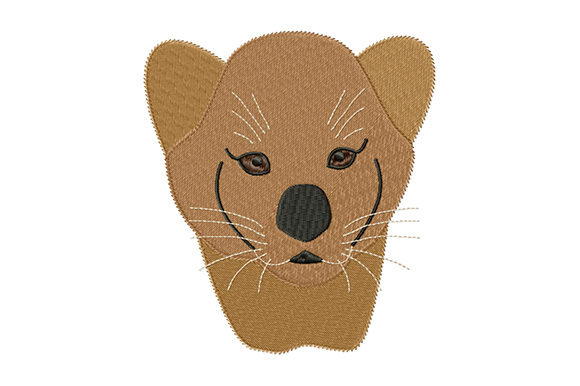
As an embroidery designer who’s prepped over 200 craft fair booths, I’ll say it plainly: Cute Lion Cub lands with quiet confidence—not loud, not cutesy, not overly literal. It reads as soft, modern, and gently symbolic. The phrase “baby lion symbolizes strength and courage” isn’t just marketing fluff; it gives emotional resonance to what could easily be another animal motif. That duality—gentle appearance + meaningful subtext—makes Cute Lion Cub stand out in a sea of generic foxes, owls, and elephants. It feels premium without being fussy, friendly without being childish. For baby clothes? Absolutely. But more importantly, it works powerfully on adult-facing handmade products—think linen tea towels, canvas totes, or minimalist pillow covers.
Where It Shines: Real Booth-Tested Product Pairings
In my booth setup, Cute Lion Cub performs strongest when scaled thoughtfully across tactile, high-visibility items:
- Tote bag design: Centered on the front of a natural canvas tote, it reads clearly from 6 feet away—soft enough for moms, bold enough for creatives. No competing patterns needed.
- Apron embroidery: Placed just above the pocket on a denim or unbleached cotton apron, it adds warmth and personality without overwhelming function.
- Tea towel embroidery: Works beautifully on waffle-weave or medium-weight linen. The design’s clean outlines hold up against fabric texture better than highly detailed wildlife motifs.
- Embroidered patch: At 3–4 inches wide, Cute Lion Cub translates cleanly into a sew-on or iron-on patch—ideal for Etsy bundles or market bag add-ons.
- Pillow cover & small pouch: Its balanced proportions mean it doesn’t crowd smaller surfaces. On a 12×12 inch pillow cover, it feels intentional—not cramped.
It’s less effective on curved cap surfaces unless resized carefully, and avoid placing it near seams or tight folds where stitch density may cause puckering.
Production Reality Check: What Makes This Design Sellable
Here’s what matters at 7 a.m. on craft fair morning, when you’re stitching 30 items before loading the van: Cute Lion Cub is intuitive. No tiny lettering. No micro-details that vanish at 2.5 inches. No nested fill areas that trap thread or require re-hooping mid-stitch. That means faster hooping, fewer restarts, and consistent batch production—critical for small shop owners juggling orders and booth prep.
Photography? It pops. Light background fabric + warm thread colors (think amber, cream, charcoal) make for strong printable mockup visuals. On Etsy, that translates directly to higher click-through and lower bounce rates. And yes—it’s repeatable. You can embroider five tea towels in under two hours with one hoop setup and minimal stabilizer adjustment.
Careful-Use Notes: Protect Your Stitch Quality
Even a well-designed machine embroidery design needs context-aware execution. Here’s where Cute Lion Cub asks for attention:
- Avoid dense stitch areas on thick fabrics like heavy twill or quilted cotton—opt for lightweight stabilizer or reduce density if your software allows.
- On textured towels (especially looped terry), use cutaway + tear-away combo stabilizer—otherwise, the lion’s mane detail may blur.
- Dark fabric demands high-contrast thread colors. Don’t assume the recommended color cards include deep navy or charcoal-safe options—test first.
- At under 2 inches wide, subtle facial features may soften. If offering a mini version (e.g., for hair clips or keychains), confirm clarity on scrap fabric before cutting full batches.
Booth & Brand Impact: More Than Just Cute
At a crowded handmade market, Cute Lion Cub does three things exceptionally well: it draws eyes, invites touch, and supports storytelling. Customers pause—not just because it’s adorable, but because it feels intentional. That pause turns into questions: “Is this for babies?” “Do you do custom sizes?” “Can I get this on a pouch?” That’s engagement you can’t buy with signage.
For boutique makers building cohesive collections, Cute Lion Cub fits naturally into a Wild Animals theme—but with enough nuance to avoid feeling like a clip-art series. Paired with neutral linens, oatmeal knits, or recycled canvas, it elevates perceived handmade quality. And unlike trend-driven motifs, its symbolism (“strength and courage”) gives it staying power beyond seasonal shifts.
Designer-to-Designer Must-Dos Before Selling
Before you list Cute Lion Cub as a digital embroidery file, finished product, or wholesale item, run these checks:
- Test the design on scrap fabric matching your intended product—same weight, same weave, same dye lot.
- Verify thread contrast on both light and dark base fabrics. A single test swatch saves returns.
- Review spacing between elements—especially around ears and paws—to ensure no floating stitches or thin thread bridges.
- Confirm hoop size compatibility with your primary machine. If it pushes 5×7 limits, note that in your product description.
- Inspect stitch density visually—not just in software. Overly dense fills cause stiffness and poor drape on apparel.
- Use appropriate stabilizer: cutaway for knits, tear-away for stable wovens, fusible for lightweight linens.
- Create at least one real-world mockup—photographed in natural light—not just a digital render.
- Compare how it looks across 3–4 fabric colors. A lion that sings on ivory may mute on heather gray.
- Confirm commercial licensing terms. Even if labeled “for personal use,” many sellers unintentionally breach terms by selling finished goods—verify before launching your craft fair product line.
Cute Lion Cub isn’t just another Embroidery file. It’s a thoughtful, scalable, emotionally grounded design asset—one that earns its place on your best-selling tote bags, your most gifted tea towels, and your most memorable booth display. Done right, it doesn’t just decorate fabric—it builds connection. And in handmade markets, that’s the only metric that truly matters.