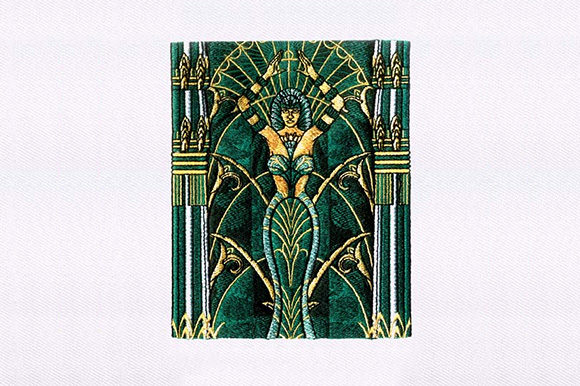
Goddess of Magic Isis Design
A Practical Review for Small Business Merch & Branded Patches
As an embroidery designer who’s digitized and stitched over 2,000 commercial projects—from café aprons to boutique tote bags—I approached the Goddess of Magic Isis Design with both curiosity and caution. The title alone signals intention: this isn’t just decorative—it’s symbolic, evocative, and deeply resonant. For small business owners, handmade brands, Etsy sellers, and apparel decorators, that resonance matters. But resonance without execution is risky. So let’s cut past the mystique and assess what this machine embroidery design delivers in real-world use.
First Impression: Elegant, Timeless, and Intentionally Bold
The name Goddess of Magic Isis Design immediately suggests reverence, strength, and quiet authority—not whimsy or trend-chasing. Visually (even before stitching), it reads as elegant and classic, not rustic or playful. That makes it unusually versatile for small business merch: a florist can lean into its nurturing symbolism; a holistic studio or crystal shop can highlight its spiritual depth; even a creative bakery or artisanal apothecary can use it to signal craftsmanship and care. It avoids cliché while still feeling accessible—no tiny crowns or over-rendered hieroglyphs that distract from brand clarity.
Where It Shines in Commercial Embroidery
This embroidery file excels where meaning meets visibility:
- Embroidered patch: Perfect for iron-on or sew-on application on jackets, totes, or staff uniforms. Its balanced composition holds up well at 2.5”–3.5” sizes—ideal for boutique merchandise or event merch.
- Apron embroidery: Centered above the pocket or subtly on the chest, it adds gravitas without overwhelming functional fabric. Works especially well on linen, cotton duck, or medium-weight canvas.
- Cap embroidery: Best placed on the front panel (not curved side) due to likely detail density. Avoid ultra-low profiles—opt for structured cotton twill or wool blends to support clean stitch definition.
- Tote bag design: A standout on natural canvas or unbleached cotton. The symbolism pairs beautifully with handmade product storytelling—think “locally crafted with intention.”
- Product packaging accents: Stitched onto fabric tags, drawstring pouches, or gift wrap bands, it elevates perceived value and reinforces brand identity without shouting.
It also translates well into printable mockups—a huge plus for Etsy sellers and digital-first crafters needing fast, professional visuals for listings or client presentations.
Where Caution Is Required
Not every surface or scale suits the Goddess of Magic Isis Design. As a working embroidery designer, I recommend avoiding it for:
- Sub-2” patches: Fine linework or symbolic details (e.g., headdress motifs, subtle lotus elements) may collapse or blur. Always test at your target size first.
- High-curve surfaces like cap bills or tight sleeve cuffs—unless the digitizing intentionally accommodates stretch and distortion.
- Dark, textured fabrics without proper stabilizer: dense fill areas risk sinking into fleece, terry cloth, or heavy bouclé unless hooped correctly and backed with firm cutaway.
- Frequently washed items (e.g., staff work shirts) if stitch density is high and thread tension isn’t optimized—check the file’s fill ratios before bulk production.
Remember: this falls under Religion category, so cultural sensitivity and context matter. Use thoughtfully—not as ornament, but as aligned expression.
Brand Identity Impact: More Than Just a Logo
For small businesses building trust through authenticity, the Goddess of Magic Isis Design does heavy lifting. It signals confidence, care, and intentionality—qualities customers associate with premium handmade products. Unlike generic floral or geometric marks, it invites conversation and connection. That boosts engagement: shoppers pause, ask questions, remember the story. On staff uniforms or café aprons, it quietly communicates values—nurturing, wisdom, resilience—without slogans.
But consistency is key. Pair it deliberately with complementary design assets: neutral thread colors (deep indigo, charcoal, cream), clean sans-serif typography for labels, and matte-finish packaging. Don’t dilute its presence with competing patterns or busy backgrounds.
Essential Embroidery Designer Notes Before Production
Before you load the digital embroidery file into your machine, run these checks:
- Test in black and white first: Assess contrast and legibility without color bias—especially important for dark uniforms or natural fabrics.
- Verify small-patch viability: Resize to your smallest intended use (e.g., 1.75”) and check for lost detail or jagged edges in software preview.
- Review thread color contrast: This design relies on tonal nuance—avoid low-contrast combos (e.g., light gold on ecru) unless intentional for subtlety.
- Inspect spacing and underlay: Tight lettering or delicate outlines need solid underlay to prevent fabric show-through.
- Confirm hoop size compatibility: With formats spanning DST, PES, VP3, and more, ensure your machine supports the version you’re using—and that it fits your standard hoops.
- Test on real fabric + stabilizer: Run a sample on your exact garment or patch substrate. Texture changes everything—especially with symbolic linework.
- Create a client-approved mockup before stitching: Visual alignment prevents costly rework and builds trust with boutique or wholesale partners.
- Compare beside existing assets: Does it harmonize with your current logo, palette, and voice—or does it demand a broader visual refresh?
- Confirm commercial licensing: Since this is intended for small business merch and commercial embroidery, verify usage rights before selling finished products.
The Goddess of Magic Isis Design isn’t just another embroidery file. It’s a narrative tool—one that, when applied with intention and technical care, strengthens brand identity, deepens customer connection, and transforms everyday items—aprons, caps, totes—into meaningful touchpoints. For creators who value both craft and clarity, it’s a rare find: spiritually grounded, commercially viable, and unmistakably human.