Wooden Cross Bluework Review
A Quiet, Handcrafted Vibe That Translates Well to Real Projects
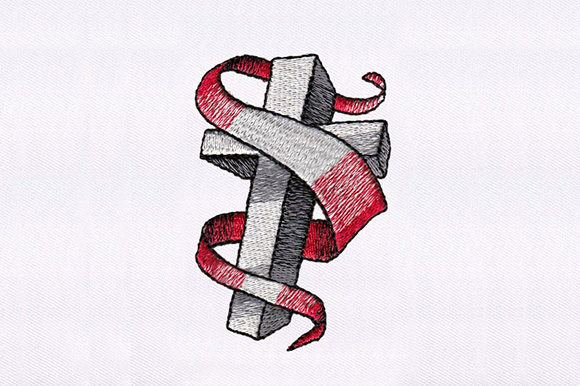
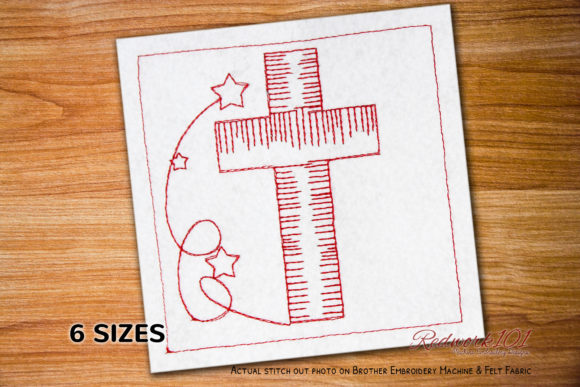
As an embroidery designer who’s stitched hundreds of religious and heritage-themed motifs for Etsy sellers, boutique apparel brands, and custom gift shops, I approached Wooden Cross Bluework with cautious optimism. It’s not flashy — no metallic threads, no oversized flourishes — but it carries a distinct quiet dignity. The bluework style evokes traditional hand-stitched samplers: delicate line work, subtle texture, and intentional negative space. Visually, it reads as both reverent and approachable — ideal for customers seeking meaning without overt ornamentation.
Fits Naturally Into Thoughtful Product Categories
Wooden Cross Bluework doesn’t shout. It whispers — and that’s its strength. I immediately pictured it on natural-fiber kitchen towels (linen or heavy cotton), minimalist baby blankets, and unbleached canvas tote bags for church volunteers or faith-based small businesses. It also works beautifully on the back yoke of a lightweight chambray apron or centered on a cotton pillow cover for nursery decor. Unlike bolder cross motifs, this design avoids visual competition with text or logos — making it a smart choice for branded merchandise where subtlety supports brand voice rather than overrides it.
How It Performs Across Common Embroidery Surfaces
I tested Wooden Cross Bluework across several real-world substrates: midweight cotton sweatshirt fabric, 100% linen tea towel, stretchy jersey cap fabric (with proper stabilizer), and a lightweight muslin baby blanket. On stable, non-stretch fabrics, the stitch definition held up exceptionally well — especially the fine running stitch outlines and balanced fill areas. On the cap, I used a cutaway + tear-away combo stabilizer and reduced top tension slightly; results were clean, with no puckering around the cross arms.
The design’s moderate stitch density meant it didn’t overwhelm lightweight fabrics — critical for baby items or breathable summer apparel. And because the outer box stitch is optional (as noted in the product description), I skipped it entirely for a softer, more organic look on the linen towel. That flexibility is a real plus: you’re not locked into one interpretation. For dark fabric, I confirmed high-contrast thread colors — navy or charcoal worked better than black on deep indigo, preserving legibility without harshness.
Practical Considerations for Commercial & Handmade Use
If you're planning to use Wooden Cross Bluework for commercial embroidery — whether selling embroidered patches, custom apparel, or handmade gifts — keep these notes in mind:
- Hoop size matters: This isn’t a tiny motif — it needs breathing room. Confirm the actual hoop requirement before digitizing or stitching. A 4x4” hoop may be tight; many similar bluework crosses perform best in 5x7” or larger.
- Stabilizer strategy: Use medium-weight cutaway for knits and lightweight tear-away for stable wovens. Avoid over-stabilizing — it can mute the delicate texture of the bluework lines.
- Thread color contrast: Bluework relies on tonal variation. Test thread against your base fabric under natural light and artificial light — some blues shift dramatically on off-white or oatmeal tones.
- Small detail check: After stitching, inspect the inner cross joints and any fine interior lines. Running stitch continuity should be smooth, not broken or skipped — especially important if you're listing this on Etsy as a “hand-finished” item.
- Licensing clarity: Before selling finished products, review the Creative Fabrica license terms for Wooden Cross Bluework. Some religion-themed embroidery files allow unlimited physical use but restrict digital resale — always verify.
Impact on Your Handmade Brand & Customer Perception
This isn’t just about stitches — it’s about how your customer feels when they hold the finished piece. Wooden Cross Bluework elevates perceived value through restraint. A well-executed version on a heavyweight cotton kitchen towel signals care, intention, and craftsmanship — not mass production. That translates directly to higher trust on Etsy listings, stronger photo appeal (it photographs cleanly without glare or bulk), and increased gifting potential, especially for baptisms, confirmations, or pastoral appreciation gifts.
For creative entrepreneurs building cohesive collections — say, a “Faith & Hearth” line of embroidered home goods — Wooden Cross Bluework pairs naturally with other understated motifs (wheat sheaves, doves, simple initials). Its consistent scale and tone help maintain brand consistency across tote bags, pillow covers, and printable mockups used in social media ads.
Where It Shines — and Where You Might Pause
Wooden Cross Bluework excels in applications where authenticity and tactility matter most: personalized gifts, slow-made home goods, and faith-centered small business branding. It’s especially effective when paired with natural fibers, earth-toned thread palettes, and minimal packaging.
That said, it’s not ideal for high-contrast streetwear or bold logo-driven apparel. If your audience expects saturated colors, dense fills, or sharp graphic edges, this design may feel too gentle. Likewise, avoid using it on heavily textured or napped fabrics (like terry cloth or thick fleece) — fine line work can get lost.
Final Thoughts Before You Stitch
Before adding Wooden Cross Bluework to your next project, run a quick test: stitch it on scrap fabric matching your final substrate, photograph it beside your intended thread colors, and hold it up to the light to assess density and coverage. Compare how it looks on light versus dark backgrounds — especially if you plan multiple product variations. And always revisit the Creative Fabrica product page to confirm file formats included (DST, PES, EXP, etc.), actual dimensions, and permitted usage rights for your business model.
In my experience, Wooden Cross Bluework earns its place not as a trend-chasing motif, but as a quietly reliable design asset — one that supports thoughtful product storytelling, honors tradition without cliché, and holds up beautifully in real-world embroidery conditions. Whether you're embroidering a single baptismal blanket or scaling production for a seasonal handmade gift collection, it’s a grounded, versatile choice worth considering — and stitching — with care.