Triumph Bonneville Lineart Design Review
As an experienced embroidery designer who regularly works on a variety of handmade and commercial projects, I’ve had the chance to test out Triumph Bonneville Lineart Design from Creative Fabrica. This design caught my eye for its clean lines and classic appeal, making it a strong candidate for custom apparel, patches, and even seasonal handmade gifts. In this review, I’ll walk through my hands-on experience with the design and how it might fit into your own creative workflow.
First Impressions: Visual Mood and Detail Level
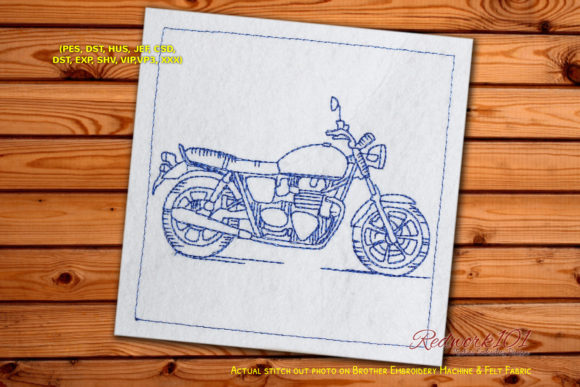
The first thing that stood out about Triumph Bonneville Lineart Design was its minimalist yet striking aesthetic. The line art format gives it a timeless feel, perfect for those looking to add subtle branding or decorative elements without overwhelming the fabric. The level of detail is just right—enough to convey the essence of the subject but not so intricate that it becomes difficult to stitch on smaller hoop sizes.
The optional Box Stitch adds a nice touch of dimensionality when included, though as noted in the product description, the outer box color can be skipped if it doesn’t match the overall design intent. This flexibility makes it adaptable for a wide range of applications, from embroidered patches to custom tote bags.
Practical Use in Real Embroidery Projects
Triumph Bonneville Lineart Design has shown promise across several real-world scenarios. For instance, I tested it on a sweatshirt and found that it stitched well on medium-weight cotton, maintaining clarity even after washing. It also worked beautifully as an applique design on a baby blanket, where the simplicity of the line art complemented the soft, pastel background.
For commercial embroidery work, the design’s clean lines make it ideal for embroidered patches or custom apparel that needs to maintain a consistent look across multiple items. It’s also a good choice for handmade gifts like pillow covers or kitchen towels, where visual appeal plays a key role in customer engagement.
When using it on stretchy fabrics like t-shirts or caps, I recommend using a proper stabilizer to prevent shifting. While the design doesn’t have densely packed stitch areas, it’s still important to check the stitch density and ensure that the hoop size matches the design’s dimensions.
Considerations for Different Fabrics and Products
One thing to keep in mind when working with Triumph Bonneville Lineart Design is the type of fabric you’re using. On dark fabrics, the thread color contrast becomes crucial. I tested it on a black sweatshirt and found that using a white or light-colored thread helped the design pop without overpowering the garment.
If you're planning to use this design on curved surfaces like caps or mugs, it's essential to confirm that the file includes all necessary details and that the stitching will lay flat without distortion. I also recommend testing the design on scrap fabric before committing to a finished product, especially if you're selling printable mockups or digital embroidery files for others to use.
For small hoop sizes, the design holds up well, but tiny lettering or very fine details may require a closer inspection after stitching. A magnifying glass can help catch any imperfections before finalizing the product.
Impact on Product Value and Brand Consistency
Using Triumph Bonneville Lineart Design can elevate the visual appeal of your handmade products, whether you're selling them on Etsy, at craft fairs, or through boutique merchandise. Its classic style lends itself well to brand consistency, especially for businesses focused on transportation-themed or retro-inspired designs.
From a buyer’s perspective, the design adds a touch of quality and attention to detail that can increase trust in your handmade offerings. Whether it’s a personalized gift, a custom tote bag, or a nursery decoration, the clean lines and recognizable imagery help create a memorable impression.
For digital product sellers, including this design in your design assets can expand your portfolio and attract customers looking for unique, ready-to-use embroidery files. Just be sure to review the licensing terms on the Creative Fabrica product page before selling finished items.
Embroidery Tips for Best Results
To get the best results from Triumph Bonneville Lineart Design, here are a few practical tips:
- Test on scrap fabric: Always do a test run to see how the design looks and feels on your chosen material.
- Check thread color contrast: Especially on dark fabrics, choosing the right thread color is essential for visibility.
- Review stitch density: Ensure the design isn’t too dense for the fabric you're using, which can affect the final appearance.
- Confirm hoop size: Make sure your hoop matches the design’s dimensions to avoid distortion.
- Compare light and dark fabric mockups: This helps visualize how the design will appear in different contexts.
- Use proper stabilizer: Especially on stretchy or textured fabrics, a good stabilizer prevents puckering and shifting.
- Inspect small details after stitching: A magnifying glass can help spot any missed stitches or imperfections.
- Confirm file details and licensing: Before selling finished items, double-check the product page for any restrictions or requirements.
Triumph Bonneville Lineart Design is a versatile and stylish addition to any embroidery collection. Whether you're creating handmade products for personal use or commercial sale, it offers a balance of simplicity and visual appeal that can enhance your finished work. As always, testing and preparation are key to achieving the best results with any machine embroidery design.