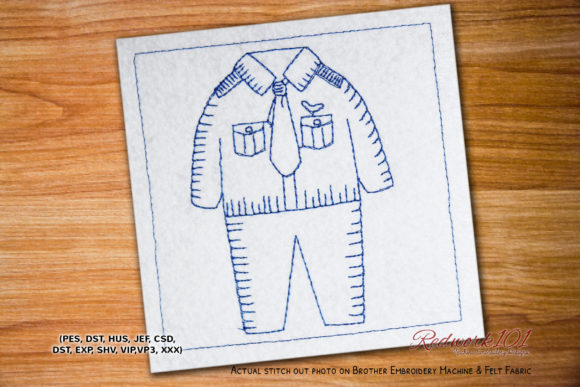
Pilot Suit Lineart Design Review
As an experienced embroidery designer preparing for a weekend craft fair, I’ve spent time evaluating the Pilot Suit Lineart Design and considering how it might perform across a range of handmade products. This design feels modern yet approachable, with a clean line art aesthetic that suggests versatility in application.
First Impressions: A Modern and Versatile Embroidery Design
The Pilot Suit Lineart Design immediately stands out as a minimalist yet bold option. Its use of line art gives it a clean, contemporary feel that could appeal to a wide audience. The description mentions that the Box Stitch is optional, which adds flexibility for customization. While the outer box color can vary depending on the design, this adaptability allows for creative reinterpretation across different product types.
This design doesn’t lean into any one specific style—whether rustic, farmhouse, or premium—it offers a neutral canvas that can be dressed up or down based on fabric choice and thread colors.
Performance on Craft Fair Products
When considering how the Pilot Suit Lineart Design would look on various items, it shines particularly well on tote bags, aprons, and tea towels. On a tote bag, the line art becomes a subtle but eye-catching accent, especially when paired with a contrasting thread color. For aprons, it works beautifully as a decorative element along the waistband or pocket area, adding a touch of personality without overwhelming the piece.
On tea towels, the Pilot Suit Lineart Design has a soft, elegant presence. It’s not too busy, so it maintains its visual appeal even on textured fabrics. When used as an embroidered patch, it functions well as a small focal point, making it ideal for caps or fabric pouches.
For pillow covers and market bags, the design holds up well, especially when stitched with a moderate stitch density. It avoids being too intricate, which makes it more forgiving in terms of production quality and fabric compatibility.
Selling Points and Practical Considerations
One of the most appealing aspects of the Pilot Suit Lineart Design is its clarity at a glance. It’s easy to recognize, even from a distance, which is essential for attracting attention at a craft fair. As a small accent or larger focal point, it adapts well to different product sizes and formats.
Photographically, the design performs well in online listings. Whether you're an Etsy seller or running a small shop, the line art translates nicely to digital images, especially when using a high-contrast thread color against a light background.
However, it's important to note that while the design is repeatable for batch production, certain elements like tiny details or small lettering may need extra care. If the Box Stitch is included, ensuring proper spacing and hoop size will be key to maintaining quality across multiple pieces.
Careful Use Notes for Production
Before committing to large batches, test the Pilot Suit Lineart Design on scrap fabric. Check how the thread colors interact with different fabric textures, especially if using thick or textured materials like market bags or towel fabric. A good stabilizer is essential to prevent puckering around dense stitch areas.
If using dark fabric, ensure the chosen thread color provides enough contrast to maintain visibility. Also, if the design includes small details, consider whether they will remain clear at smaller sizes, such as on patches or cap designs.
Always create a real mockup before finalizing your craft fair product lineup. This helps you see how the design looks in person and gives you confidence when presenting it to customers.
Design Impact on Visual Appeal and Branding
The Pilot Suit Lineart Design enhances the visual appeal of any product it's applied to. It brings a sense of sophistication and modernity that can elevate the perceived value of handmade goods. For small shop products, it serves as a consistent branding element that reinforces identity across different items.
Whether used on booth samples or commercial embroidery products, this design contributes to a cohesive look that can help attract and engage buyers. It also supports brand consistency when used across multiple product lines, such as tote bags, aprons, and gift items.
Embroidery Designer Tips for Success
Here are some practical tips for using the Pilot Suit Lineart Design effectively:
- Test on Scrap Fabric: Always check how the design looks on your intended fabric before mass production.
- Check Thread Contrast: Ensure the thread color complements the fabric texture and tone.
- Review Spacing: Adjust stitch spacing if needed to avoid overcrowding or distortion.
- Confirm Hoop Size: Make sure your hoop accommodates the entire design without stretching.
- Inspect Stitch Density: Avoid overly dense stitching unless the fabric can handle it.
- Use the Right Stabilizer: Prevent puckering by choosing the appropriate backing material.
- Create a Mockup: See how the finished product looks in person before selling.
- Compare Fabric Colors: Choose fabric tones that enhance the design rather than compete with it.
- Confirm Commercial Licensing: Ensure you have the right to sell the digital embroidery file as a commercial product.
The Pilot Suit Lineart Design is a strong contender for a variety of handmade product applications. With thoughtful consideration of fabric, thread, and production methods, it can become a standout feature in your craft fair display and boost customer engagement at your booth.