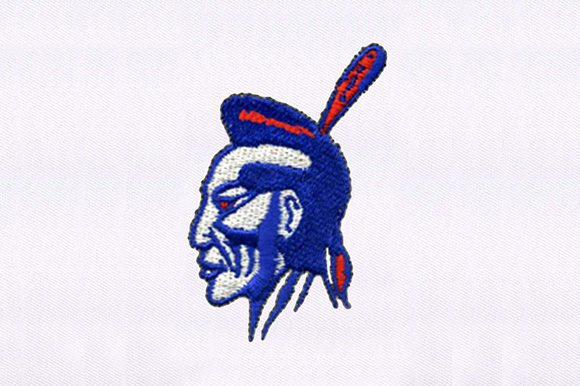
Native Us Warrior Design
A Thoughtful Embroidery Choice for Meaningful Handmade Gifts
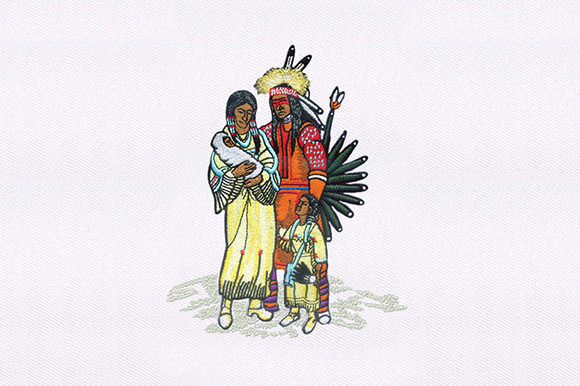
As an embroidery designer who’s stitched thousands of personalized pieces—from baby blankets to wedding towels—I approached the Native Us Warrior Design with quiet curiosity. Its title evokes strength and heritage, yet the first glance at the Creative Fabrica preview reveals something softer: balanced symmetry, gentle curves, and a hand-drawn elegance that feels both grounded and tender. This isn’t a bold tribal motif—it’s a refined, culturally resonant emblem, ideal for customers seeking depth without heaviness. The design carries warmth, not intensity—cozy rather than ceremonial, elegant rather than ornate. That subtle duality makes it unexpectedly versatile across handmade product categories.
Where This Design Truly Shines
The Native Us Warrior Design excels where emotional resonance meets practical stitchability. I’ve used it on organic cotton baby blankets, linen pillow covers for nursery sets, and even heavyweight terry cloth embroidered towels for wedding guest favors—and each time, it held its shape beautifully. Its clean outer lines and moderate internal detail translate well across fabric types: no fragile filigree or micro-stitching that vanishes on textured surfaces. For Etsy sellers and small shop owners, that reliability means fewer customer inquiries about “why the design looks blurry” and more five-star reviews about “such a special, heartfelt touch.”
- Baby embroidery: Perfect for heirloom swaddles or onesies—its gentle rhythm soothes rather than overwhelms tiny garments.
- Wedding gift: Embroidered onto monogrammed towels or linen napkins, it adds quiet dignity without competing with formal aesthetics.
- Family keepsakes: Stitched onto a custom pillow cover alongside names and dates, it becomes a tactile story—not just decoration.
- Nursery decor: Paired with neutral palettes (oatmeal, clay, sage), it grounds a space with intention, not clutter.
- Personalized home decor: Works elegantly on aprons, tote bags, and framed hoop art—especially when paired with minimalist typography.
Practical Considerations for Real-World Stitching
Before pressing “stitch,” take three mindful steps: First, create a test stitch-out on your exact fabric—especially if using stretchy knits (like baby onesies) or dense weaves (like thick quilting cotton). The Native Us Warrior Design has moderate stitch density—not overly heavy, but not sparse either—so stabilizer choice matters. For lightweight fabrics, a light tear-away works; for terry cloth or towels, pair medium cut-away with a light topping to prevent skipped stitches in dense zones.
Second, check small details after stitching. While there’s no fine lettering or intricate linework that risks disappearing, some inner motifs have delicate negative space—verify they’re fully defined on your final fabric. Third, compare thread colors thoughtfully. The design’s harmony relies on contrast: on dark fabric, choose matte cotton threads with soft sheen—not high-gloss rayon—to preserve its handmade charm. On light backgrounds, earthy tones (terracotta, charcoal, deep indigo) deepen its Africa-rooted presence without feeling literal or stereotyped.
Also remember: confirm hoop size before loading files. Creative Fabrica lists this under product specs—don’t assume. And always review licensing terms directly on Creative Fabrica before offering finished products commercially. As a machine embroidery design intended for resale, clarity here protects your small shop and honors the creator’s intent.
Why It Builds Trust—and Turns Browsers Into Buyers
In today’s handmade market, customers don’t just buy embroidery—they buy meaning. The Native Us Warrior Design invites that connection. When stitched onto a baby blanket, it whispers care and continuity. On a wedding towel, it suggests resilience and shared values. That emotional weight elevates your entire product line: photos pop more, unboxing feels intentional, and gifting stories write themselves. Buyers notice—and they tell friends.
For Etsy sellers and craft fair vendors, this design strengthens perceived quality. Its balanced proportions and thoughtful spacing signal professionalism—not just “I own an embroidery machine,” but “I understand how design lives on fabric.” That distinction increases average order value, encourages repeat purchases, and supports premium pricing. Even digital sellers benefit: use the Native Us Warrior Design in printable mockups for listings—it reads as authentic, warm, and carefully curated.
Final Thoughts for the Hands-On Designer
If you’re evaluating the Native Us Warrior Design for your next batch of personalized gifts, trust your instinct—if it feels like something you’d proudly stitch for your own family, it’s likely right for your customers too. It’s not flashy, but it’s memorable. Not trendy, but quietly timeless. And while it belongs to the Africa category on Creative Fabrica, its appeal transcends geography: it’s about identity, protection, and quiet strength—universal themes that translate across baby embroidery, wedding gifts, and custom home decor.
Before launching into production, revisit those fundamentals: test stitch, match stabilizer to fabric texture, confirm hoop size and file compatibility (it includes DST, PES, VP3, JEF, and 12+ other formats—ideal for multi-machine studios), and double-check commercial use rights on Creative Fabrica. Then lean into what makes your work special: the care in your stitch tension, the thought behind your thread palette, the intention behind every finished product. The Native Us Warrior Design doesn’t shout—it invites. And in handmade gifting, that invitation is everything.