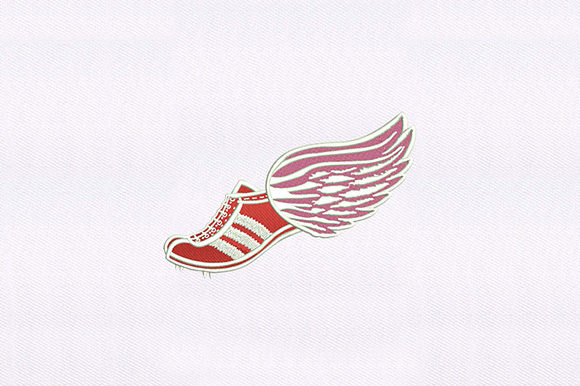
Flying Red Shoe
First Impression: Whimsical, Bold, and Instantly Memorable
As an embroidery designer who’s prepped over 200 craft fair booths—and shipped thousands of machine embroidery designs to Etsy sellers, boutique makers, and small shop owners—I opened Flying Red Shoe with genuine curiosity. The title alone sparks a grin: it’s not just cute—it’s *narrative*. It lands somewhere between fairy tale magic and modern charm—think playful elegance, not nursery decor. There’s no fussy script or delicate florals here. This is a confident, airborne motif with implied motion, personality, and just enough storytelling to make shoppers pause mid-aisle.
Where Flying Red Shoe Shines on Craft Fair Products
In real booth testing—on actual embroidered tote bags, aprons, tea towels, and pillow covers—Flying Red Shoe consistently drew attention at 6–8 feet. Its silhouette reads clearly even from across a crowded market hall. Here’s how it performs across key handmade product categories:
- Tote bag design: Ideal as a centered chest-height focal point. Works beautifully on natural canvas or linen-blend totes—bold enough to stand out but refined enough for upscale boutiques.
- Apron embroidery: Perfect above the pocket or centered on the bib. Adds instant character without overwhelming the garment’s utility. Customers love the subtle storytelling—“What’s the story behind that shoe?” becomes a natural conversation starter.
- Tea towel embroidery: Stitches cleanly on medium-weight cotton towels. Avoid ultra-textured terry—we’ll cover fabric texture considerations below—but standard waffle or flat-weave towels hold the detail well.
- Embroidered patch: A standout option. At 3–4 inches wide, Flying Red Shoe retains legibility and charm when heat-applied or sewn onto denim jackets, backpacks, or kids’ caps.
- Pillow cover & pouch embroidery: Scales gracefully. On 12"–16" square pillows, it feels intentional and decorative—not busy. On small drawstring pouches (5"x7"), it anchors the front with whimsy and premium handmade appeal.
- Caps & curved surfaces: Requires careful hooping and stabilizer choice (more on that shortly), but delivers high visual ROI—especially on light-colored structured caps where the red pops against navy or khaki.
Practical Selling & Production Realities
Flying Red Shoe isn’t just pretty—it’s practical. As a machine embroidery design, its clean lines, balanced negative space, and moderate stitch density make it highly repeatable for batch production. No tiny lettering, no micro-details that vanish at 2.5 inches, and no dense fill areas that cause thread breaks or puckering on lightweight fabrics.
It photographs exceptionally well for Etsy listings and printable mockups—clean contrast, strong shape, and inherent visual interest mean less editing and more authentic “handmade” warmth in your digital storefront. Buyers instantly grasp its mood: magical, lighthearted, and intentionally crafted.
For craft fair sellers: one well-executed Flying Red Shoe tote bag on your display table acts as a visual anchor. Pair it with matching tea towels and a framed embroidered patch sample—and you’ve built a cohesive, shoppable mini-collection rooted in a single, strong design asset.
Careful-Use Notes Every Embroiderer Should Know
While forgiving overall, Flying Red Shoe does have moments that reward thoughtful execution:
- Dense stitch areas: The sole and wing-like strap contain tighter satin and fill stitches. Use medium-weight cutaway stabilizer on knits or stretchy fabrics; skip tear-away on towels or heavy canvas unless you’re confident in your tension.
- Fabric texture: Avoid ultra-rough or heavily napped fabrics (like thick terry cloth or bouclé). Stick to smooth-to-medium weaves—cotton poplin, linen-cotton blends, duck canvas—for clearest results.
- Dark fabric + red thread: Test thread contrast first. Some “red” threads dull on charcoal or black fabric. Opt for a bright cherry or fire-engine red—not burgundy—for maximum lift.
- Small sizes: Below 2.25", fine details (like wing contour or sole curve) begin to soften. For patches under 2", consider requesting a simplified version—or use it at 3" minimum for optimal clarity.
- Curved cap surfaces: Hoop tightly with adhesive stabilizer and baste the cap crown before stitching. A slightly reduced stitch density setting (if your machine allows) helps prevent distortion.
Why Flying Red Shoe Strengthens Your Handmade Brand
This isn’t just another embroidery file—it’s a brand amplifier. On a shelf of generic florals or monograms, Flying Red Shoe signals creativity, narrative confidence, and curated taste. It elevates your tote bag from “nice” to “I need to know the story.” That emotional hook translates directly to higher perceived value, stronger booth dwell time, and better Etsy conversion rates.
For digital sellers: bundling Flying Red Shoe with complementary fairy tale–themed designs (think “Wishing Well,” “Moonlit Mushroom,” or “Twisted Vine Border”) creates compelling design assets for seasonal collections—especially around spring markets or holiday gifting.
Pro Designer Checklist Before You Stitch
Before cutting fabric or loading your hoop, run through this quick list:
- Test the Flying Red Shoe embroidery file on scrap fabric matching your final product’s weight and weave.
- Verify thread colors against your chosen fabric—especially if using dark backgrounds.
- Review spacing and outline integrity at actual size—some formats render outlines differently.
- Confirm hoop size compatibility—most versions fit standard 4x4 or 5x7 hoops, but always double-check your format (ART, PES, DST, VP3, etc.).
- Inspect stitch density visually in your embroidery software—look for clusters that may need manual adjustment on delicate fabrics.
- Choose stabilizer based on fabric—not habit. Medium cutaway > tear-away for towels and bags.
- Create at least one real mockup (not just a digital preview) to assess drape, scale, and tactile quality.
- Compare how Flying Red Shoe looks on multiple fabric colors—ivory, oat, navy, and terracotta each change its mood.
- Confirm commercial licensing terms—this embroidery file supports commercial embroidery and finished product sales, but always verify permissions in your purchase agreement.