Egyptian Eye Embroidery Design Review
As an embroidery designer who’s built seasonal collections for over a decade—launching holiday drops for Etsy sellers, craft fairs, and boutique gift lines—I approached Egyptian Eye with both curiosity and scrutiny. This isn’t just another machine embroidery design; it’s a cultural motif with instant visual weight, symbolic resonance, and strong seasonal versatility. For small shop owners and handmade gift makers building around holidays, family traditions, or global-themed product lines, Egyptian Eye delivers quiet elegance—not loud festivity—but that’s exactly where its power lies.
First Impression: Timeless, Calm, and Intentionally Minimal
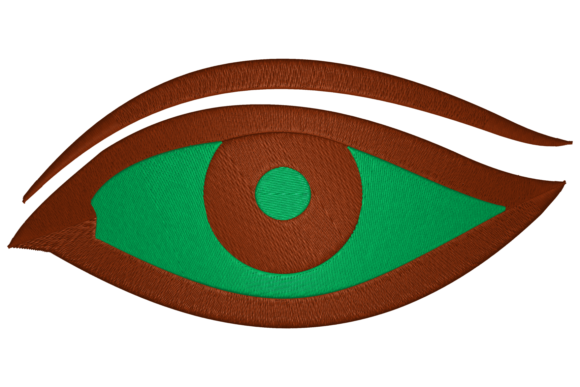
The Egyptian Eye design reads as spiritual yet accessible—neither kitschy nor overly academic. With only two thread colors, it avoids visual clutter while retaining rich decorative nuance. Its hand-digitized quality shows in smooth curves, balanced negative space, and confident line weight—no jagged edges or over-stitched fills. Emotionally, it evokes calm focus, protection, and quiet reverence—ideal for holiday gifting where sentiment matters more than sparkle. It feels premium, not mass-produced; elegant, not stiff; and globally grounded without leaning into cliché. As part of the Around The World category, it stands apart from generic snowflakes or pumpkins—it invites storytelling, not just decoration.
Seasonal & Holiday Use: Where Egyptian Eye Shines
Egyptian Eye excels in products where meaning meets utility—and where buyers seek something memorable but not overtly festive:
- Sweatshirt embroidery: Centered on charcoal or oatmeal crewnecks, it reads as cozy sophistication—perfect for fall family matching sets or winter loungewear bundles.
- Tote bag design: On natural canvas or linen-blend totes, it elevates everyday carry into intentional gifting—think “teacher appreciation” or “hostess gift” bundles paired with herbal tea or candles.
- Kitchen towel embroidery: Small-scale versions stitch cleanly on waffle-weave cotton, adding subtle cultural warmth to holiday kitchen decor without competing with seasonal patterns.
- Pillow cover and table linens: A single Egyptian Eye at the corner or center anchors neutral-toned home goods—ideal for curated holiday staging on Instagram or craft fair displays.
- Embroidered patch: Easily appliquéd onto denim jackets, backpacks, or baby blankets—great for personalized gifts where durability and charm matter equally.
- Ornaments & aprons: Smaller sizes translate beautifully to wood or felt ornaments and chef-style aprons—low-risk, high-recognition items for holiday markets.
For Etsy sellers, this design supports strong visual cohesion across listings. Pair it with consistent mockups (think soft shadows, warm lighting, linen backdrops), and it becomes instantly recognizable—building brand consistency even without logos. It also performs well in printable mockup graphics used for email campaigns or social previews: clean lines scale well, and the two-color limit ensures crisp PDF and PNG exports.
Where to Use Egyptian Eye Thoughtfully
Not every surface or context suits Egyptian Eye. As a working designer, I advise caution in these scenarios:
- Small hoop sizes under 3" may compress detail—always test stitch the smallest available size before committing to production runs.
- Thick or textured fabric like heavy terry cloth towels or quilted baby blankets can mute fine outlines—opt for medium-weight stabilizer and reduce top tension slightly.
- Dark fabric demands careful thread color testing—what reads as contrast on white may disappear on navy unless you adjust your second color intentionally (e.g., gold instead of beige).
- Stretchy garments like ribbed knits require cutaway stabilizer and reduced density—check stitch density before stitching on leggings or lounge sets.
- Metallic thread adds shimmer but increases breakage risk—reserve it for low-wear items like wall hangings or framed ornaments, not daily-use sweatshirts.
- Curved caps or tight seams aren’t ideal—this is a flat-surface design. Save it for panels, front chest placements, or centered back motifs.
Why Egyptian Eye Builds Trust & Giftability
Holiday shoppers don’t just buy products—they buy intention. Egyptian Eye signals care: in its symbolism (protection, insight), its restraint (two colors, no filler), and its craftsmanship (hand-digitized). That builds trust faster than a dozen five-star reviews. Customers recognize quality when they see it—and they’re willing to pay more for finished product that feels meaningful, not mass-manufactured.
It also boosts giftability. Unlike trend-driven motifs, Egyptian Eye won’t feel dated by January. It works year-round—making it ideal for evergreen inventory that still captures holiday energy through thoughtful presentation. Bundle it with a handwritten note about “ancient symbols of watchfulness” and you’ve transformed a simple embroidered pillow cover into a personalized gift.
Practical Designer Notes Before You Stitch
Before adding Egyptian Eye to your seasonal lineup, do these six things:
- Test thread colors on both light and dark fabric swatches—especially if offering customizations.
- Confirm hoop size compatibility across all six available sizes—don’t assume the largest fits your standard frame.
- Use appropriate stabilizer: tear-away for stable cottons, cutaway for knits or towels.
- Create realistic mockups—not just digital renders, but stitched samples on actual fabric textures you’ll sell.
- Review small details post-stitch: eyeliner clarity, symmetry, and edge sharpness—hand-digitized doesn’t mean error-proof.
- Verify commercial licensing terms—since this is a digital embroidery file intended for resale of finished product, confirm usage rights align with your business model.
Remember: Egyptian Eye isn’t about shouting “holiday.” It’s about whispering significance. In a season flooded with noise, that quiet confidence is what makes customers pause, connect, and choose your handmade gift over the rest.