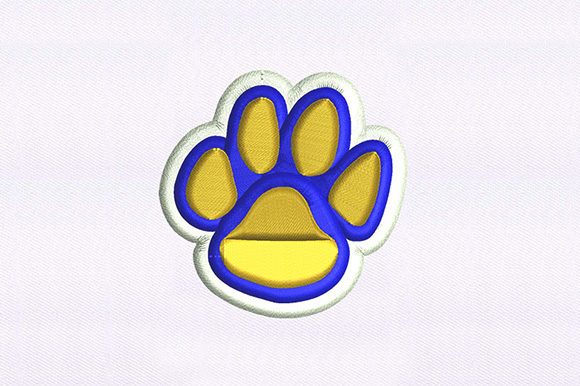
Baby Bear Paw Cap Design
First Impression: Soft, Playful, and Instantly Recognizable
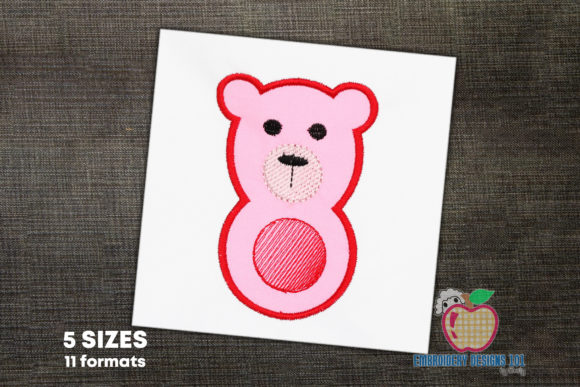
As an embroidery designer who’s prepped over 200 craft fair booths—and watched thousands of shoppers pause at a table—I’ll say it plainly: Baby Bear Paw Cap Design lands with quiet charm. It’s not loud or trendy; it’s soft-cute, with gentle curves and organic shape that reads as handmade before the customer even touches the fabric. No sharp angles, no aggressive fonts—just a tender bear paw motif that leans into warmth, nostalgia, and baby-friendly simplicity. It fits perfectly in the Baby Animals category without feeling generic. It doesn’t scream “farmhouse” or “modern minimalist,” but it works with both—especially when stitched on natural fibers like unbleached cotton, linen-look tea towels, or brushed twill caps.
Where It Shines: Craft Fair & Handmade Market Realities
In my booth setup—featuring embroidered tote bags, aprons, tea towels, patches, caps, small pouches, and pillow covers—the Baby Bear Paw Cap Design consistently draws attention on three items: caps, tea towels, and embroidered patches. Why? Because those are high-touch, high-visibility, and high-giftability products. A cap with this design feels personal—not mass-produced. A tea towel with it folded neatly beside a ceramic mug says “thoughtful handmade gift.” And as a patch? It’s versatile, low-risk for buyers (“I’ll sew it on later”), and easy to batch-produce with consistent results.
It performs less strongly—though still well—on larger surfaces like tote bags or pillow covers unless scaled intentionally. At 3.5–4 inches wide, it reads beautifully as a focal point on a child’s cap or a petite market bag. But stretched to 6+ inches on a full-size tote? The paw loses some of its delicate balance. Keep it modest: let it complement, not dominate.
Photography & Online Appeal: A Digital Seller’s Ally
If you’re an Etsy seller or digital embroidery file creator, this design is photography-friendly. Its clean outline, balanced negative space, and lack of micro-detail mean it renders crisply in printable mockups—even on textured backgrounds. No fuzzy edges. No lost definition in shadow. That translates directly to stronger listings, faster buyer trust, and higher conversion on mobile feeds. Pair it with warm neutral fabrics (oatmeal, sage, soft grey) and natural lighting, and your thumbnail stands out in a sea of cluttered, overdesigned listings.
For commercial embroidery sellers, the Baby Bear Paw Cap Design also supports brand consistency. It’s repeatable across product types without looking formulaic—unlike script-based names or seasonal motifs that date quickly. You can use it year-round, across baby showers, gender-neutral nurseries, and even early childhood educator gifts.
Production Notes Every Embroidery Business Owner Should Know
- Stitch density matters. Review the embroidery file before stitching—especially in the paw pad area. Dense fill stitches on thick fabric (like denim caps or heavy tea towels) may pucker without proper stabilizer. Use cutaway + tear-away combo for structured items.
- Small details hold up—but only if hooped right. The curved claw lines and subtle paw contour rely on precise registration. Always test on scrap fabric first, especially when working with stretchy knits or textured terry cloth.
- Hoop size is your friend. This is a compact machine embroidery design—likely optimized for 4x4 or 5x7 hoops. Confirm hoop compatibility before loading into your embroidery software. Don’t force it into a tiny 3x3 unless verified.
- Thread contrast makes or breaks it. On dark fabric, use light ecru or pale grey thread—not stark white—to preserve softness. On light fabric, charcoal or warm taupe adds depth without harshness.
- Fabric texture changes everything. Avoid using this design on heavily napped fleece or ultra-rough burlap. It’s built for smooth-to-medium weaves where stitch definition stays crisp.
What Buyers Actually Notice—And Why It Sells
At craft fairs, people don’t read descriptions—they feel intention. When a parent sees this on a baby cap, they register safety, care, and quiet joy—not technical specs. That emotional resonance is what turns a glance into a purchase. The Baby Bear Paw Cap Design supports that instinct because it looks hand-drawn, not algorithm-generated. It feels like something made slowly, with attention.
That perceived quality lifts perceived value: a $28 embroidered cap feels justified. A $16 tea towel feels giftable. Even a $5 patch feels special—not disposable. And for boutique makers building loyal followings, that consistency builds trust. Repeat customers return knowing your aesthetic stays warm, cohesive, and intentional.
Careful-Use Reminders for Handmade Entrepreneurs
This isn’t a “set and forget” embroidery file. To protect your reputation and your bottom line:
- Always run a test stitch on the exact fabric and stabilizer you’ll use for finished products.
- Check spacing between elements—especially if layering with text or other motifs.
- Compare thread colors across multiple fabric swatches; monitor brightness affects perception.
- Confirm commercial licensing terms before selling finished products—this is a machine embroidery design, not a royalty-free graphic.
- Create at least one real-life mockup—not just digital—before listing or displaying. Lighting, drape, and scale change everything.
The Baby Bear Paw Cap Design won’t win awards for complexity—but it wins hearts at craft fairs, converts browsers on Etsy, and holds up beautifully across seasons and surfaces. It’s proof that sometimes, the most effective handmade product isn’t the flashiest. It’s the one that whispers, “I was made for you”—and lets the stitch do the talking.